
How Long Do Dental Bridges Usually Last?
A porcelain dental bridge is a popular choice because it blends with natural teeth. It can serve patients for many years, but like any restoration it can wear, chip, or loosen over time. Your dentist can tell you what to expect based on your own mouth.
What Factors Affect Dental Bridge Lifespan?
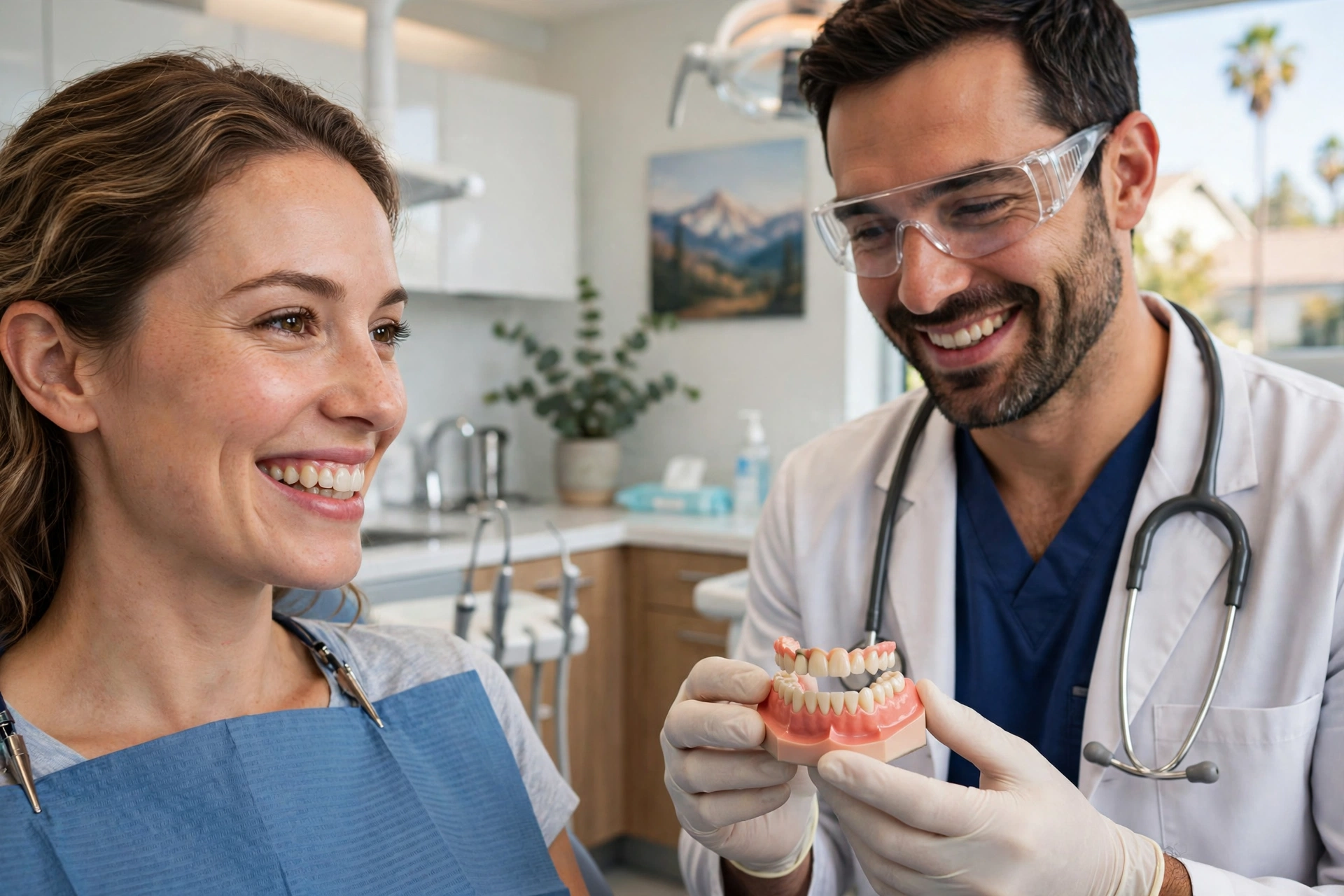
- Oral hygiene: Plaque that builds up around the bridge can lead to gum disease and decay.
- Supporting teeth: Decay or damage under a crown on an anchor tooth can weaken the bridge.
- Gum health: Inflamed or receding gums can expose the edges of the restoration.
- Bite forces: Teeth grinding (bruxism) and heavy chewing pressure can wear down or crack a bridge.
- Materials and fit: The quality of the restoration and how well it fits affect how it holds up.
- Habits: Chewing ice, biting hard objects, and smoking can shorten a bridge’s life.
- Dental checkups: Routine exams catch small problems early.
7 Signs Your Dental Bridge May Need Replacement
Many bridge problems start quietly. Watch for these warning signs of a failing dental bridge:
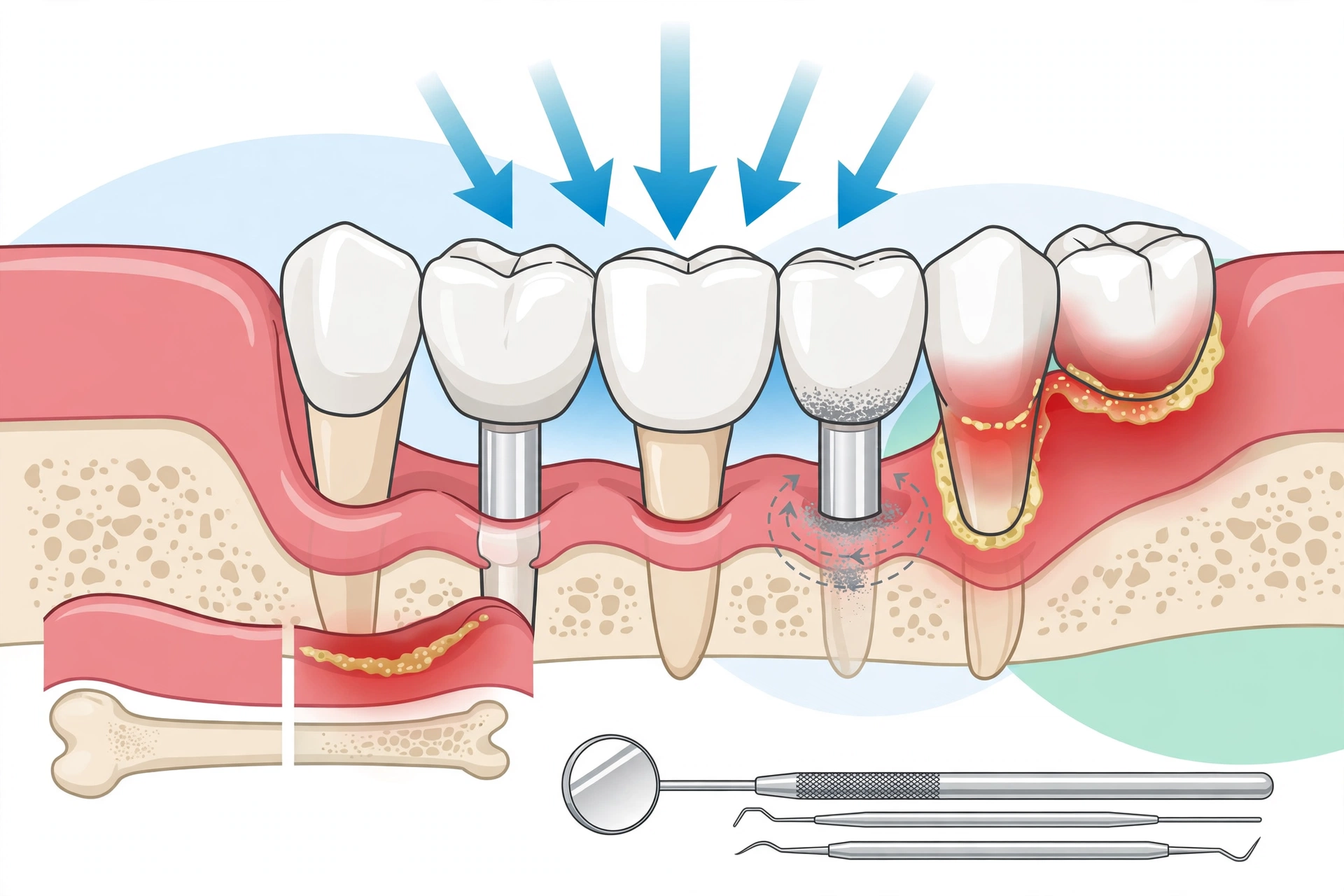
- Looseness or movement. The bridge shifts, clicks, or feels different when you bite.
- Pain or sensitivity. Discomfort around the bridge or supporting teeth is a sign to get checked.
- Food getting trapped. New gaps or poor fit can collect food and bacteria.
- Red, swollen, or bleeding gums. This can point to gum disease or irritation near the bridge.
- Persistent bad taste or breath. It may mean infection or decay under the restoration.
- Chips, cracks, or heavy wear. Visible damage can affect strength and fit.
- Dark lines, gaps, or a bite that feels off. These can signal decay or changes in the supporting teeth.
Any one of these signs is a reason to book an exam. It does not automatically mean you need a new bridge.
Can a Dental Bridge Be Repaired or Does It Need Replacement?
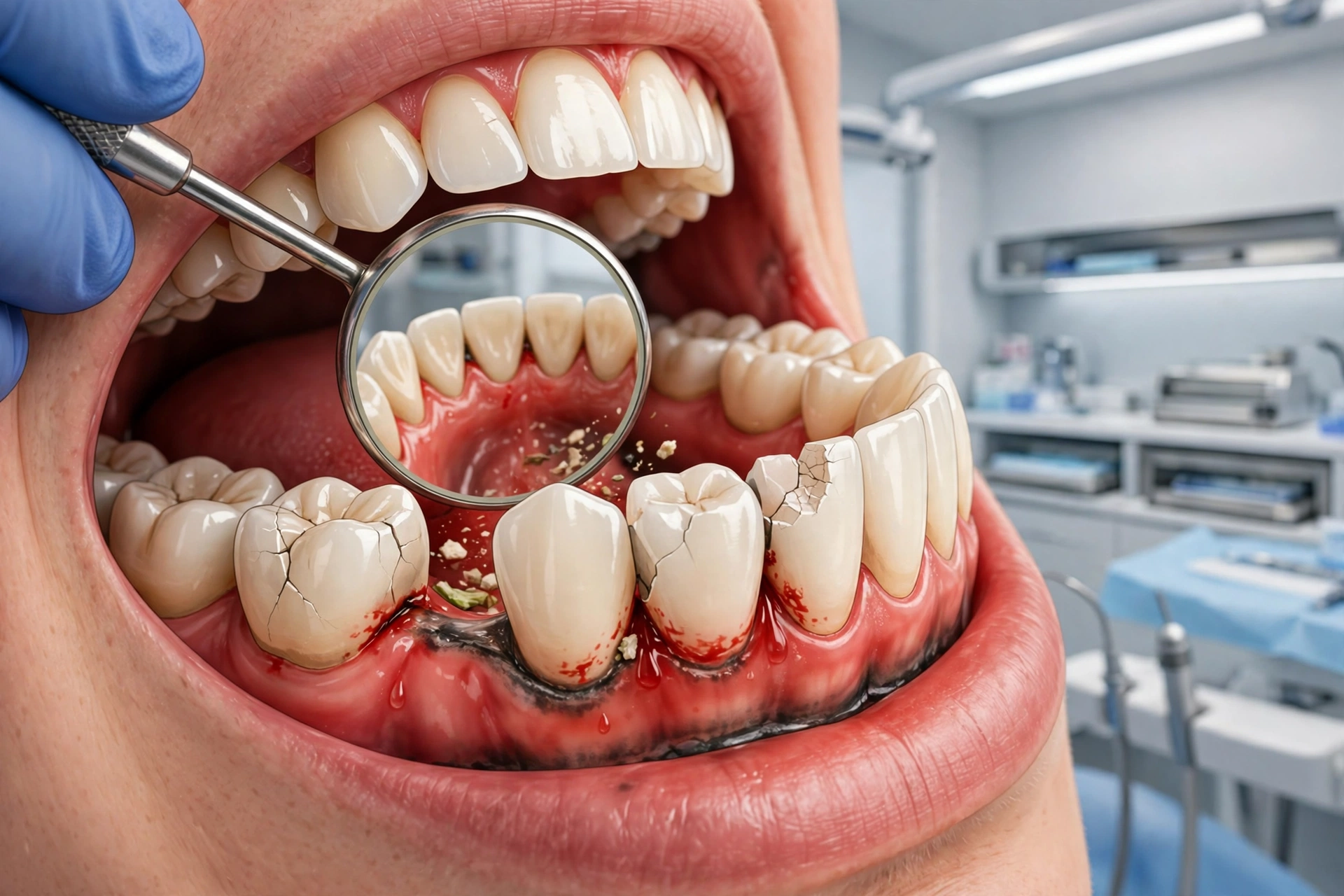
It depends. A minor chip or a small fit problem may sometimes be repaired. If a supporting tooth has decay, the bridge is badly damaged, or the fit has failed, replacement is often the better option.
How to Make Your Dental Bridge Last Longer
Daily habits make a real difference in dental bridge maintenance:
- Brush twice a day with fluoride toothpaste, paying attention to the gumline around the bridge.
- Clean under the bridge daily. Floss threaders, interdental brushes, or a water flosser reach spaces regular floss cannot.
- Keep regular checkups and cleanings. Your dentist can spot early problems you cannot see.
- Avoid chewing ice, hard candy, or sticky foods that can stress the restoration.
- Ask about a nightguard if you grind your teeth.
- Don’t ignore small changes. A bridge that feels different deserves a quick check.
When Should You See a Dentist in Redlands, CA?
Call a dentist if your bridge feels loose, painful, or damaged, or if your gums look inflamed. Don’t wait for pain to get worse. Swelling, a fever, or a bridge that has come off should be seen promptly.
Frequently Asked Questions
How many years does a dental bridge last?
Many bridges last about 5 to 15 years. Some last 20 years or longer. Lifespan depends on materials, oral hygiene, bite forces, gum health, and the condition of the supporting teeth.
Can a dental bridge last 20 years?
Yes, it is possible. Strong supporting teeth, healthy gums, careful home care, and regular dental visits all improve the chances, but no lifespan is guaranteed.
What causes a dental bridge to fail?
Common causes include decay in the supporting teeth, gum disease, teeth grinding, heavy chewing forces, wear, and a poor fit over time.
What happens if a dental bridge becomes loose?
A loose bridge can let bacteria collect underneath, which may lead to decay or infection. Call your dentist soon. Don’t try to fix it yourself.
How often should a dental bridge be checked?
Most patients should have it checked at routine dental exams, usually every six months, or sooner if they notice any change.
Get Your Dental Bridge Evaluated at Tulip Dental in Redlands, CA
Is your dental bridge showing signs of wear, discomfort, or looseness? The team at Tulip Dental in Redlands, CA can evaluate your restoration and discuss appropriate treatment options.
- Call: (909) 488-0222
- Email: info@tulipdent.com
- Or contact Tulip Dental to schedule a consultation.
You can also explore dental bridge treatment options before your visit.
Schedule a Consultation